Quercus tarahumara 18356
Auteur: Richard William Spellenberg (1940-) & Jeffrey R. Bacon (fl. 1995) & Dennis E. Breedlove (1939-2012)Famille: Fagaceae Sous-famille: Quercoideae
Genre: Quercus
Nom commun: Chêne des Tarahumara
Zone: Californie
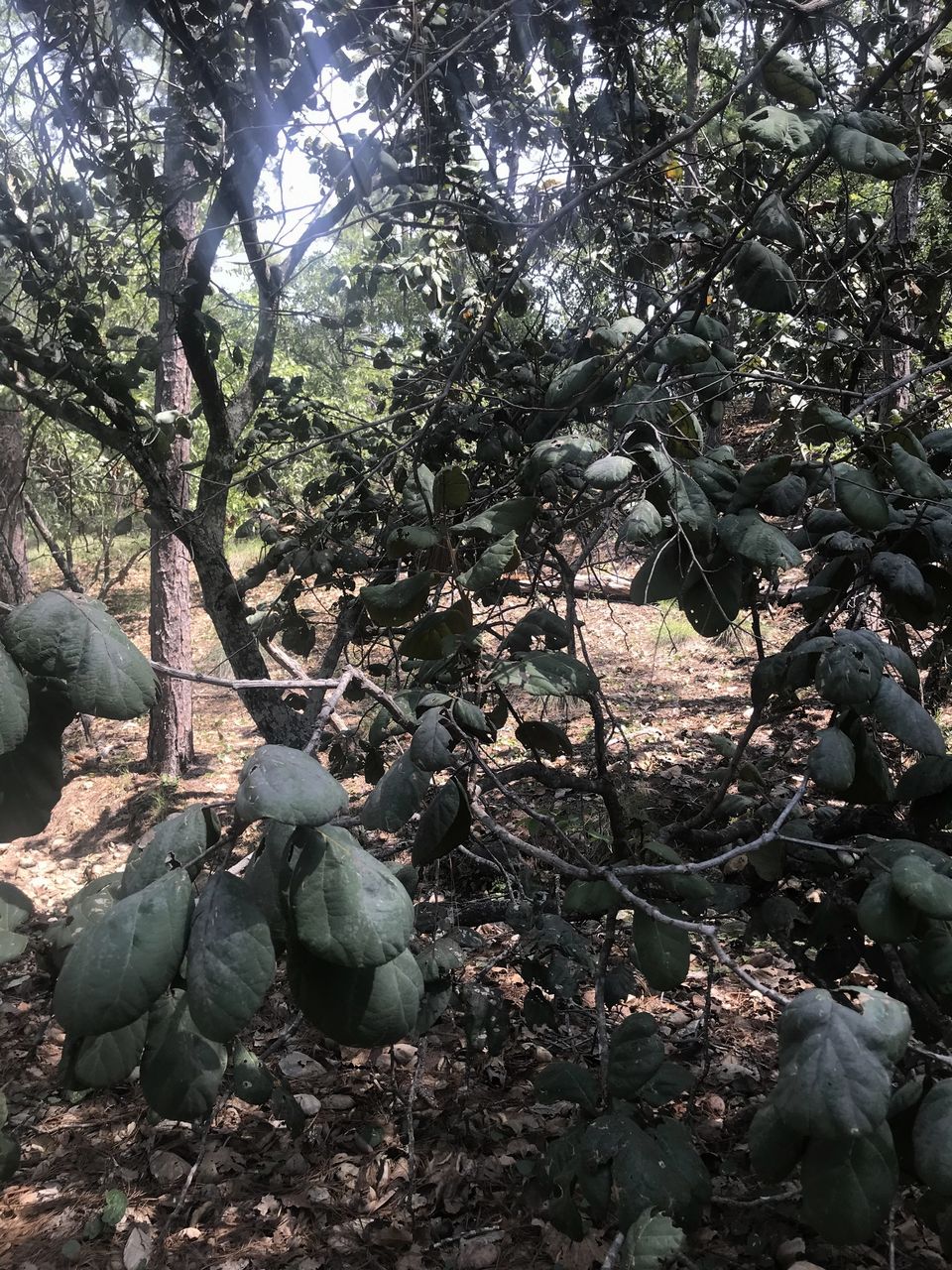
Quercus tarahumara Observed in Mexico by gilbertoalvarez (license)
Sources du genre
- Proceedings of the symposium on the ecology, management, and utilization of California Oaks, Plumb Timothy R. 1980. DOI
- Anatomical and taxonomic approaches to subgeneric segregation in american Quercus, Tillson, A. H. and Muller, C. H. American Journal of Botany 1942 Vol. 29(7) pag. 523-529. DOI
- Conservation Gap Analysis of Native U.S. Oaks, Jerome, Diana and Beckman, Emily and Kenny, Lisa and Wenzell, Katherine and Kua, Chai-Shian and Westwood, Murphy. 2017. Address
- eFloras. eFloras.org Vol. 2 pag. 127839. Quercus
- Flora iberica, Santiago Castroviejo. 2010. ISBN
- Flora of North America. Quercus
- Flora of Turkey and the East Aegean Islands, P.H. Davies. 1984. ISBN
- Genomic landscape of the global oak phylogeny, Hipp, Andrew L and Manos, Paul S and Hahn, Marlene and Avishai, Michael and Bodßß, Cathérine and Cavender-Bares, Jeannine and Crowl, Andrew A and Deng, Min and Denk, Thomas and Fitz-Gibbon, Sorel and others. New Phytologist 2020 Vol. 226(4) pag. 1198-1212. JStor
- Leaf epidermal features of Quercus subgenus Cyclobalanopsis (Fagaceae) and their systematic significance, Deng, Min and Hipp, Andrew and Song, Yi-Gang and Li, Qiansheng and Coombes, Allen and Cotton, Alexa. Botanical Journal of the Linnean Society 2014 Vol. 176. DOI
- Notes on the genus Quercus in Mexico, Avalos, Susana Valencia. Address
- Patterns of parallel evolution of leaf form in new world oaks, J. M. Tucker. Taxon 1974 Vol. 23(1) pag. 129-154. DOI
- Quercus purhepecha (Fagaceae), a new species of shrub oak endemic to the state of Michoacán, Mexico, LUNA-BONILLA, OSCAR and González-Rodríguez, Antonio and Rodríguez-Correa, Hernando and Piña Torres, Javier and Coombes, Allen and VALENCIA-A, SUSANA. Phytotaxa 2024 Vol. 670 pag. 191-202. DOI
- Reproductive morphology of Quercus (Fagaceae), Kaul, Robert B. American Journal of Botany 1985 Vol. 72(12) pag. 1962-1977. JStor
- The oaks of western Eurasia: traditional classifications and evidence from two nuclear markers, Denk, Thomas and Grimm, Guido W. Taxon 2010 Vol. 59(2) pag. 351-366. ResearchGate
- The role of diversification in community assembly of the oaks (Quercus L.) across the continental US, Cavender-Bares, Jeannine and Kothari, Shan and Meireles, JosßEduardo and Kaproth, Matthew A and Manos, Paul S and Hipp, Andrew L. American Journal of Botany 2018 Vol. 105(3) pag. 565-586. DOI
- Hommes et Plantes. Vol. 135 pag. 36-51. Address
- Anatomical and taxonomic approaches to subgeneric segregation in american Quercus, Tillson, A. H. and Muller, C. H. American Journal of Botany 1942 Vol. 29(7) pag. 523-529. DOI
- Conservation Gap Analysis of Native U.S. Oaks, Jerome, Diana and Beckman, Emily and Kenny, Lisa and Wenzell, Katherine and Kua, Chai-Shian and Westwood, Murphy. 2017. Address
- eFloras. eFloras.org Vol. 2 pag. 127839. Quercus
- Flora iberica, Santiago Castroviejo. 2010. ISBN
- Flora of North America. Quercus
- Flora of Turkey and the East Aegean Islands, P.H. Davies. 1984. ISBN
- Genomic landscape of the global oak phylogeny, Hipp, Andrew L and Manos, Paul S and Hahn, Marlene and Avishai, Michael and Bodßß, Cathérine and Cavender-Bares, Jeannine and Crowl, Andrew A and Deng, Min and Denk, Thomas and Fitz-Gibbon, Sorel and others. New Phytologist 2020 Vol. 226(4) pag. 1198-1212. JStor
- Leaf epidermal features of Quercus subgenus Cyclobalanopsis (Fagaceae) and their systematic significance, Deng, Min and Hipp, Andrew and Song, Yi-Gang and Li, Qiansheng and Coombes, Allen and Cotton, Alexa. Botanical Journal of the Linnean Society 2014 Vol. 176. DOI
- Notes on the genus Quercus in Mexico, Avalos, Susana Valencia. Address
- Patterns of parallel evolution of leaf form in new world oaks, J. M. Tucker. Taxon 1974 Vol. 23(1) pag. 129-154. DOI
- Quercus purhepecha (Fagaceae), a new species of shrub oak endemic to the state of Michoacán, Mexico, LUNA-BONILLA, OSCAR and González-Rodríguez, Antonio and Rodríguez-Correa, Hernando and Piña Torres, Javier and Coombes, Allen and VALENCIA-A, SUSANA. Phytotaxa 2024 Vol. 670 pag. 191-202. DOI
- Reproductive morphology of Quercus (Fagaceae), Kaul, Robert B. American Journal of Botany 1985 Vol. 72(12) pag. 1962-1977. JStor
- The oaks of western Eurasia: traditional classifications and evidence from two nuclear markers, Denk, Thomas and Grimm, Guido W. Taxon 2010 Vol. 59(2) pag. 351-366. ResearchGate
- The role of diversification in community assembly of the oaks (Quercus L.) across the continental US, Cavender-Bares, Jeannine and Kothari, Shan and Meireles, JosßEduardo and Kaproth, Matthew A and Manos, Paul S and Hipp, Andrew L. American Journal of Botany 2018 Vol. 105(3) pag. 565-586. DOI
- Hommes et Plantes. Vol. 135 pag. 36-51. Address
Spécifications générales
Type biologique: arbre
Rusticité: -7ºC
Couleur des feuilles: vert foncé
Couleur des fleurs: vert foncé
Mode de reproduction: monoïque plante qui possède des cônes ou des fleurs mâles et femelles en des endroits différents d'un même pied
Liste rouge des espèces menacées de l'UICN statut: Préoccupation mineure
Classé Sensible à la bactérie Xylella fastidiosa La Direction Régionale de l'Alimentation, de l'Agriculture et de la Forêt.
Spécifications pour le bassin Méditerranéen
Taille adulte (h x l): 6m x 6m
Exposition: plein soleil (Heures de soleil: >6h Feuillage: caduc
Croissance: lente
Floraison en Mai
Informations spécifiques pour notre jardin
Substrat: 30%Compost+30%Coco+40%Sable
Arrosage: 1x semaine pH 6,5
Suite logique de conteneurs pour: Chênes; plaque de semis G, pot forestier 3L, conteneur 6L, conteneur 55L, conteneur 110L, conteneur 240L
La multiplication se fait par bouturage
Rusticité: -7ºC
Couleur des feuilles: vert foncé
Couleur des fleurs: vert foncé
Mode de reproduction: monoïque plante qui possède des cônes ou des fleurs mâles et femelles en des endroits différents d'un même pied
Liste rouge des espèces menacées de l'UICN statut: Préoccupation mineure
Classé Sensible à la bactérie Xylella fastidiosa La Direction Régionale de l'Alimentation, de l'Agriculture et de la Forêt.
Spécifications pour le bassin Méditerranéen
Taille adulte (h x l): 6m x 6m
Exposition: plein soleil (Heures de soleil: >6h Feuillage: caduc
Croissance: lente
Floraison en Mai
Informations spécifiques pour notre jardin
Substrat: 30%Compost+30%Coco+40%Sable
Arrosage: 1x semaine pH 6,5
Suite logique de conteneurs pour: Chênes; plaque de semis G, pot forestier 3L, conteneur 6L, conteneur 55L, conteneur 110L, conteneur 240L
La multiplication se fait par bouturage
Protocole de germination
XXX Pendant la germination garder le substrat humide en plaçant un couvercle transparant et à la lumière du jour.
Sources du protocole du genre
- Proceedings of the symposium on the ecology, management, and utilization of California Oaks, Plumb Timothy R. 1980. DOI
- A classification system for germination in desiccation-sensitive Fagaceae acorns: with particular focus on physiological and epicotyl dormancy, Jaganathan, Ganesh K and Phartyal, Shyam S. Botanical Journal of the Linnean Society 2024 pag. boae049. Address
- USDA Forest Service's Woody Plant Seed Manual, John K. Francis and Craig D.Whitesell. 2008. Address
Sources du protocole du genre
- Proceedings of the symposium on the ecology, management, and utilization of California Oaks, Plumb Timothy R. 1980. DOI
- A classification system for germination in desiccation-sensitive Fagaceae acorns: with particular focus on physiological and epicotyl dormancy, Jaganathan, Ganesh K and Phartyal, Shyam S. Botanical Journal of the Linnean Society 2024 pag. boae049. Address
- USDA Forest Service's Woody Plant Seed Manual, John K. Francis and Craig D.Whitesell. 2008. Address